
Kamyon örtüsü için muşamba




Tensile membrane structures are prized for their lightweight design, dramatic architectural form, and ability to span large open areas without internal columns. However, the same fabric and cable systems that make these structures visually striking also require consistent, knowledgeable maintenance to perform reliably for decades rather than years. Unlike conventional roofing, a tensile membrane relies on precise tension distribution across the fabric and supporting cables, which means even small issues like a loosened cable clamp or an unnoticed tear can escalate into structural problems if left unaddressed. A proper maintenance program protects both the appearance and the long-term integrity of the structure.
A tensile membrane functions as a single integrated system where fabric, cables, and structural connections all work together under constant tension. When one component degrades, whether through UV exposure, mechanical wear, or corrosion, the load distribution across the entire structure can shift, placing unexpected stress on other areas. Regular inspection and maintenance catch these issues early, when repairs are simple and inexpensive, rather than after they develop into structural failures requiring expensive emergency intervention or even full membrane replacement. Most manufacturers design membrane fabrics with a service life of 15 to 30 years depending on material type, but this lifespan assumes a consistent maintenance routine is followed throughout that period.
The fabric itself should be the primary focus of any inspection routine, since it is the component most exposed to environmental stressors and the most visible indicator of overall structural health.
Visual inspections should look specifically for small punctures caused by debris impact, abrasion where the fabric rubs against structural edges or cable clamps, and stress tears that typically originate near corner points or seam lines where tension concentrates. Even pinhole-sized punctures should be addressed promptly using manufacturer-approved repair patches, since moisture infiltration through a small hole can quickly expand the damaged area, particularly in coated fabrics where the protective layer is compromised. Inspectors should pay particular attention to areas around mechanical fasteners, cable passage points, and any location where the fabric contacts rigid structural elements, as these are the most common failure points.
Prolonged ultraviolet exposure gradually breaks down the polymer coatings used on most membrane fabrics, leading to discoloration, increased brittleness, and reduced tensile strength over time. Noticeable yellowing, chalking on the surface, or a loss of the fabric's original sheen are early warning signs that the protective top coating is degrading faster than expected. While some UV-related fading is a normal part of aging, accelerated degradation in specific areas, often where the fabric receives more direct sun exposure than surrounding sections, may indicate a need for recoating or closer monitoring of that section's remaining service life.
The supporting cable network and hardware connections carry the structural loads that keep the membrane properly tensioned, and their condition directly affects how evenly stress is distributed across the fabric surface.
Cables that have loosened over time can create visible wrinkles, sagging areas, or uneven fabric tension, often referred to as "ponding" risk zones where water can collect rather than draining off the structure as designed. Tension should be checked against the original design specifications, typically using a calibrated tension gauge, and any cables found outside acceptable tolerance ranges should be adjusted by a qualified technician familiar with the specific structure's engineering. Retensioning should never be attempted as a uniform across-the-board adjustment without consulting the original structural drawings, since uneven adjustment can introduce new stress concentrations elsewhere in the membrane.
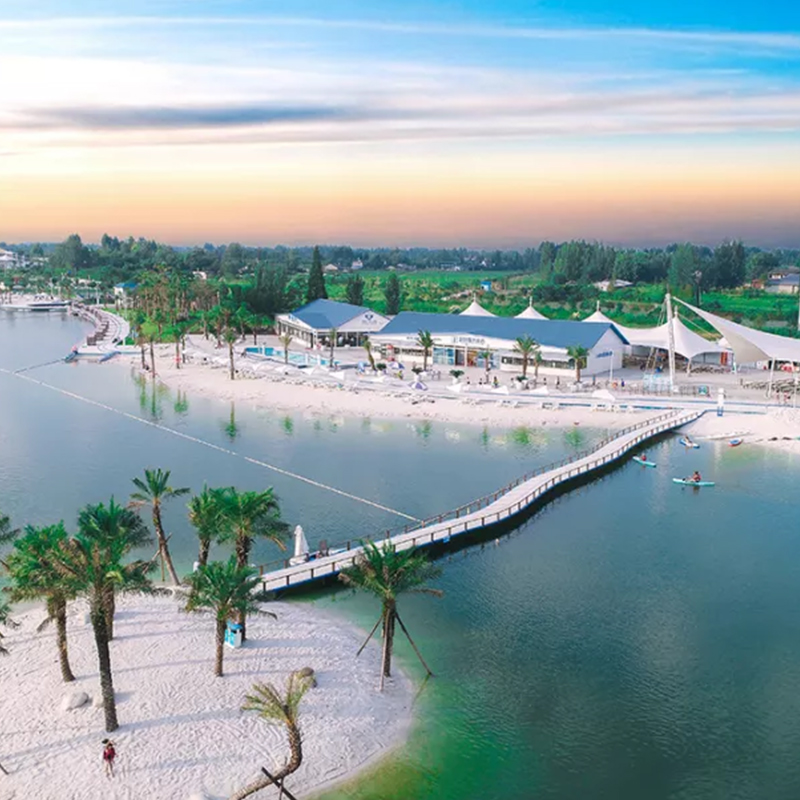
Steel cables, clamps, turnbuckles, and anchor points are vulnerable to corrosion, particularly in coastal environments with salt exposure or in regions with high humidity and frequent rainfall. Regular inspection should check for surface rust, pitting, or any breakdown of protective galvanizing or coating on these components. Minor surface corrosion can often be addressed with a wire brush and a fresh application of appropriate protective coating, while significant pitting or wire fraying on load-bearing cables requires immediate professional assessment, since corrosion damage to structural cables poses a direct safety risk that should never be deferred.
Cleaning frequency and method should be matched to the specific fabric material used in the structure, since PVC, PTFE, and ETFE membranes each respond differently to cleaning agents and techniques.
| Membrane Material | Recommended Cleaning Method | Suggested Frequency |
| PVC-Coated Polyester | Mild detergent and soft brush rinse | Every 6 to 12 months |
| PTFE-Coated Fiberglass | Low-pressure water rinse, self-cleaning surface | Annually, often rain-assisted |
| ETFE Foil | Soft cloth with deionized water | Every 1 to 2 years |
High-pressure washing should generally be avoided on all membrane types, since excessive water pressure can drive moisture into seam stitching or coating microcracks, accelerating degradation rather than simply cleaning the surface. Abrasive cleaning tools and harsh chemical solvents should likewise be avoided, as they can strip protective coatings and leave the underlying fabric more vulnerable to UV damage and staining.
Tensile membrane structures face different stresses throughout the year, and maintenance routines should adapt accordingly to address the specific risks each season presents.
In regions that experience snowfall, accumulated snow can add significant unplanned load to a membrane structure, particularly in low-slope or valley areas where snow tends to collect rather than slide off. Facility managers should monitor accumulation during heavy snow events and, where structural design permits, use approved methods to clear excess snow before it exceeds the structure's designed load capacity. Heating cables embedded in some membrane designs can help prevent ice buildup, but these systems require their own periodic inspection to confirm they remain functional.
Before forecasted severe weather, inspections should confirm that all cable tensions are within specification and that no loose hardware or fabric damage exists that could worsen under high wind loads. After any significant storm event, a follow-up inspection should check for new damage, shifted anchor points, or debris impact that may not have been immediately visible, since wind-driven debris is one of the most common causes of sudden membrane punctures.
A documented maintenance schedule ensures that inspections happen consistently rather than reactively, and it creates a record that helps identify gradual changes in the structure's condition over time.
Consistent record-keeping combined with a predictable inspection schedule is ultimately what separates tensile membrane structures that reach their full designed lifespan from those that require premature, costly replacement. Treating maintenance as an ongoing structural responsibility, rather than a cosmetic afterthought, protects both the safety and the architectural investment the structure represents.


Yeni ve eski ile kazan-kazan işbirliği Müşteriler, geleceği yaratın.

9, Xingang Bulvarı, Ningguo Şehri, Anhui Eyaleti, Çin.


+86 15397280550
Copyright © Anhui Longsheng Yeni Malzeme Teknolojisi Co., Ltd. Mimarlık Membran Malzeme Üreticileri Açık PVC su geçirmez kumaş tedarikçisi
